Hapag-Lloyd in Talks to Acquire Israeli Carrier ZIM
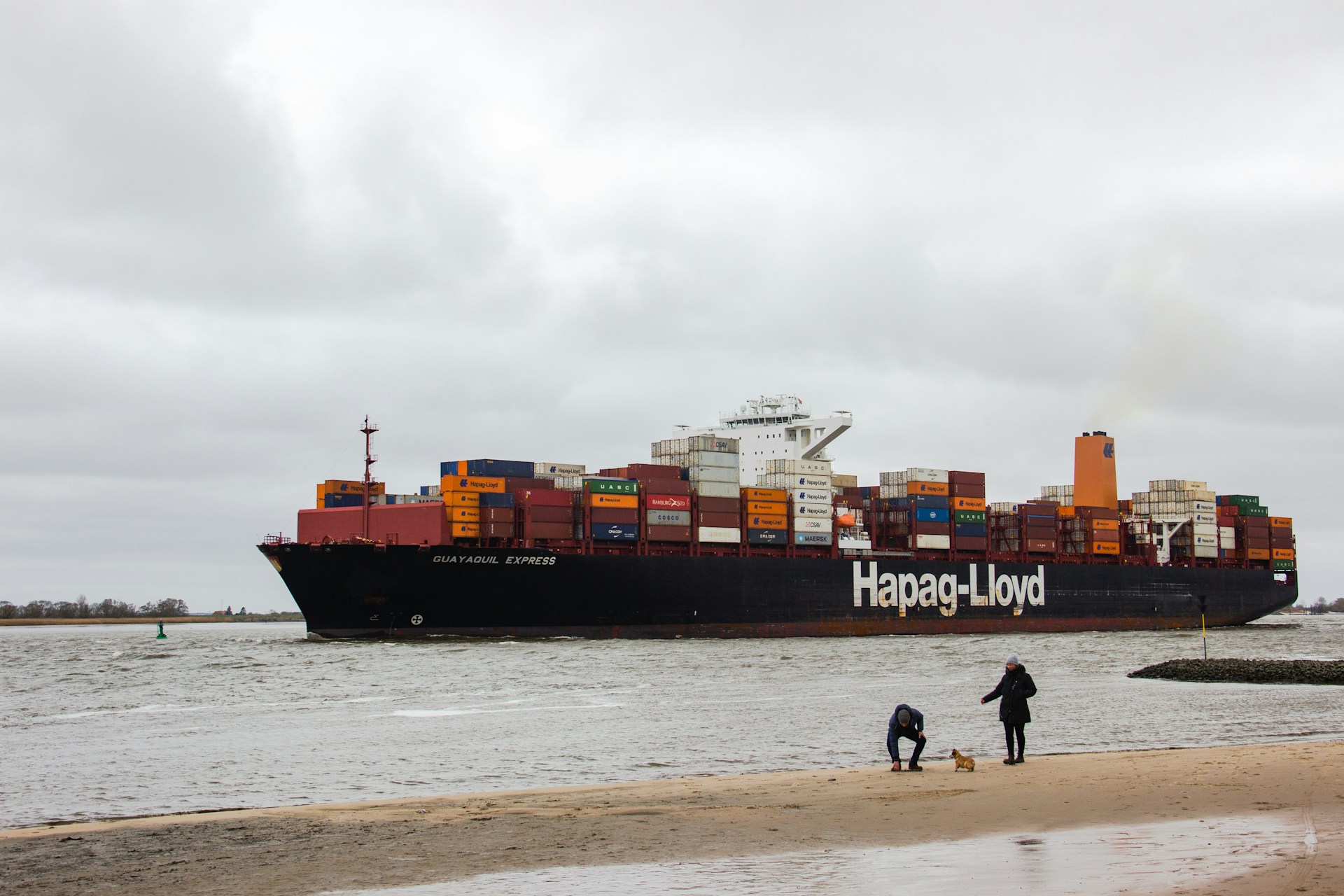
Germany’s Hapag-Lloyd has confirmed it is holding advanced discussions to acquire all outstanding shares of Israeli container line ZIM Integrated Shipping Services, in a transaction reported to be valued at up to $3.7bn.
In a short statement, the Hamburg-based carrier said that no binding agreement has yet been concluded and that the deal remains subject to approval by its management and supervisory boards. Any transaction would also require consent from ZIM’s corporate bodies, regulatory authorities, and ZIM shareholders.
A key element of the process is approval from the Israeli state, which holds special rights under provisions in ZIM’s articles of association. Talks are said to be well progressed with Israel-based FIMI Opportunity Funds regarding the transfer of obligations linked to those special rights.
Under the proposed structure, Hapag-Lloyd would acquire 100% of ZIM’s shares, resulting in the Israeli carrier being delisted from the New York Stock Exchange, where it has been publicly traded since its 2021 IPO.
Israeli financial media have reported that FIMI would assume control of assets deemed strategically important, including ZIM-owned vessels and Israeli-flagged ships, thereby taking on responsibilities associated with the government’s so-called golden share. Hapag-Lloyd would concentrate on ZIM’s chartered fleet, which represents about 611,000 teu, or roughly 87% of the carrier’s operated capacity, according to Alphaliner data. These details have not been formally confirmed by Hapag-Lloyd.
If the acquisition proceeds, Hapag-Lloyd’s global market share would rise from approximately 7% to around 8.8%, increasing its operated capacity to about 3m teu. This would strengthen its position as the world’s fifth-largest container line, extending the gap to sixth-ranked ONE, while still remaining behind fourth-placed COSCO.
Container shipping analyst Lars Jensen said regulatory approvals and shareholder processes mean the transaction is unlikely to be completed before 2027.
He also noted potential implications for Pacific trade lanes. ZIM currently operates six transpacific services in partnership with MSC. Under Hapag-Lloyd ownership, these volumes would likely be transferred to the Gemini Cooperation network, which could weaken MSC’s position while reinforcing Gemini.
The transaction would also increase Hapag-Lloyd’s exposure to chartered tonnage. Around 39% of its current fleet is chartered, but integrating ZIM’s largely chartered fleet would raise that figure to approximately 52% for the combined company. Among the top 10 carriers, only ONE and Yang Ming currently exceed a 50% charter ratio.
Jensen said that, with market conditions widely expected to soften, higher charter exposure could offer greater flexibility. The ability to return vessels at the end of charter periods may help the enlarged carrier manage capacity and maintain utilization during a downturn.
The negotiations follow a turbulent strategic review at ZIM. In August 2025, chief executive Eli Glickman and Israeli shipping magnate Rami Unger proposed taking the company private in a deal initially valued at around $2.4bn, or roughly $20 per share. ZIM’s board rejected both that proposal and a subsequent improved offer, arguing the bids undervalued the company, with critics noting they were below ZIM’s cash-per-share position at the time. In November 2025, the board appointed Evercore to conduct a formal strategic review.
While Hapag-Lloyd ultimately emerged as the leading bidder, several other carriers were linked to the process. MSC publicly denied interest in December 2025, with analysts citing the complexities surrounding Israel’s golden share. Maersk was widely viewed as a strong contender, and CMA CGM was also mentioned in industry consolidation discussions before the German carrier moved into pole position.
Hapag-Lloyd has previously absorbed other carriers, including CSAV and UASC, resulting in a broad and diverse shareholder base.
According to Danish consultancy Sea-Intelligence, the deal could signal the beginning of a new phase of consolidation in liner shipping, as carriers position themselves for both a cyclical downturn and the longer-term structure of the market into the 2030s.
Political and regulatory scrutiny is now intensifying. Local media report that Israeli transport minister Miri Regev has ordered an immediate review of the proposed transaction after authorities were reportedly surprised by the announcement. Concerns extend beyond Israel’s transport and defence sectors, with sources indicating that European Commission competition officials may also examine the deal.