Australian Firm Fined Over E-Waste Hidden in Shipping Container
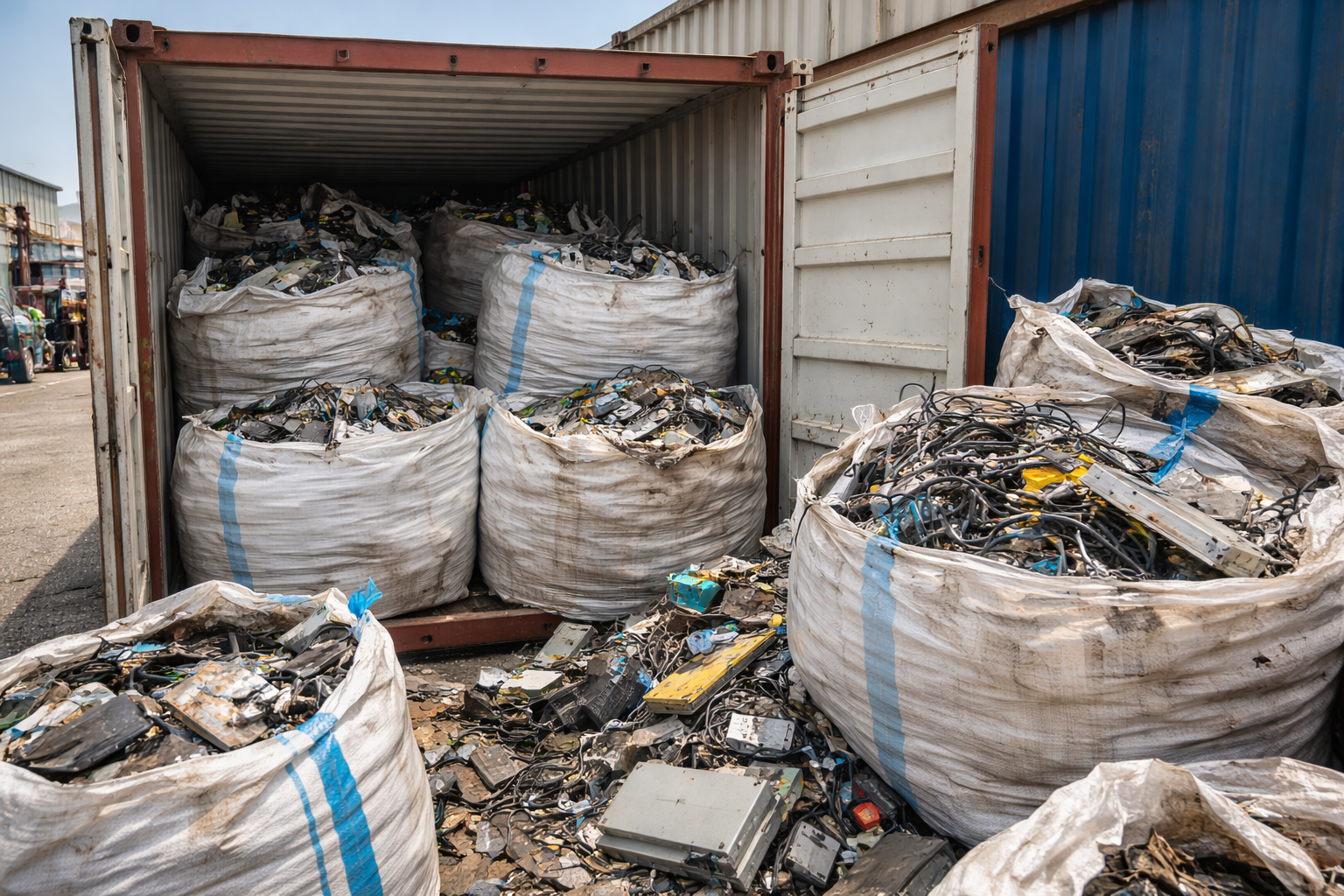
An Australian recycling company has been fined nearly $20,000 after a shipment of electronic waste was intercepted overseas. Melbourne-based Weeebytes had sent a container filled with e-waste abroad, but authorities in Singapore stopped the consignment before it reached its intended destination.
Under Australian law, exporters must obtain permits to send used electrical equipment overseas. Many such items contain hazardous materials, including flame retardants, mercury and lead, which can pose significant environmental and health risks if not handled correctly.
A spokesperson for the Department of Climate Change, Energy, the Environment and Water (DCCEEW) explained, “If disposed of improperly, these substances can enter drinking water and soil, leading to serious human health concerns.”
Potential consequences of mismanaged e-waste include contamination of groundwater, dust and odor pollution, fire or explosion hazards, and broader ecological damage.
It is not alleged that the disposal of components exported by Weeebytes would have contributed to these environmental issues, or that it intentionally breached Australia’s laws.
The container, uncovered on March 24, was found to contain a range of computer-related equipment, including crushed hard drives, along with outdated renewable energy components such as solar inverters and lithium-ion batteries.
According to DCCEEW, the waste had been “hidden behind other goods” and was not properly declared in line with requirements under the Hazardous Waste Act.
“Weeebytes illegally exported approximately 24 tonnes of e-waste destined for Singapore by not properly declaring the items to the Australian Border Force,” a spokesperson told media.
“The goods in the container were declared as unregulated ‘scrap metal’”.
Following the investigation, authorities instructed Weeebytes to arrange for the container’s return to Australia, ensure appropriate disposal of the waste, and pay a fine of $19,800.
When approached by media outlets, Weeebytes declined to provide comment.
DCCEEW stated it is intensifying efforts to tackle unlawful e-waste exports and is collaborating with the Australian Border Force, the Department of Agriculture, and state environmental bodies to flag and examine “suspicious consignments”.
“The department is strengthening its monitoring and detection capabilities to disrupt and respond to the illegal export of regulated waste,” it said.