Suez Canal Traffic Still Depressed Despite End to Attacks
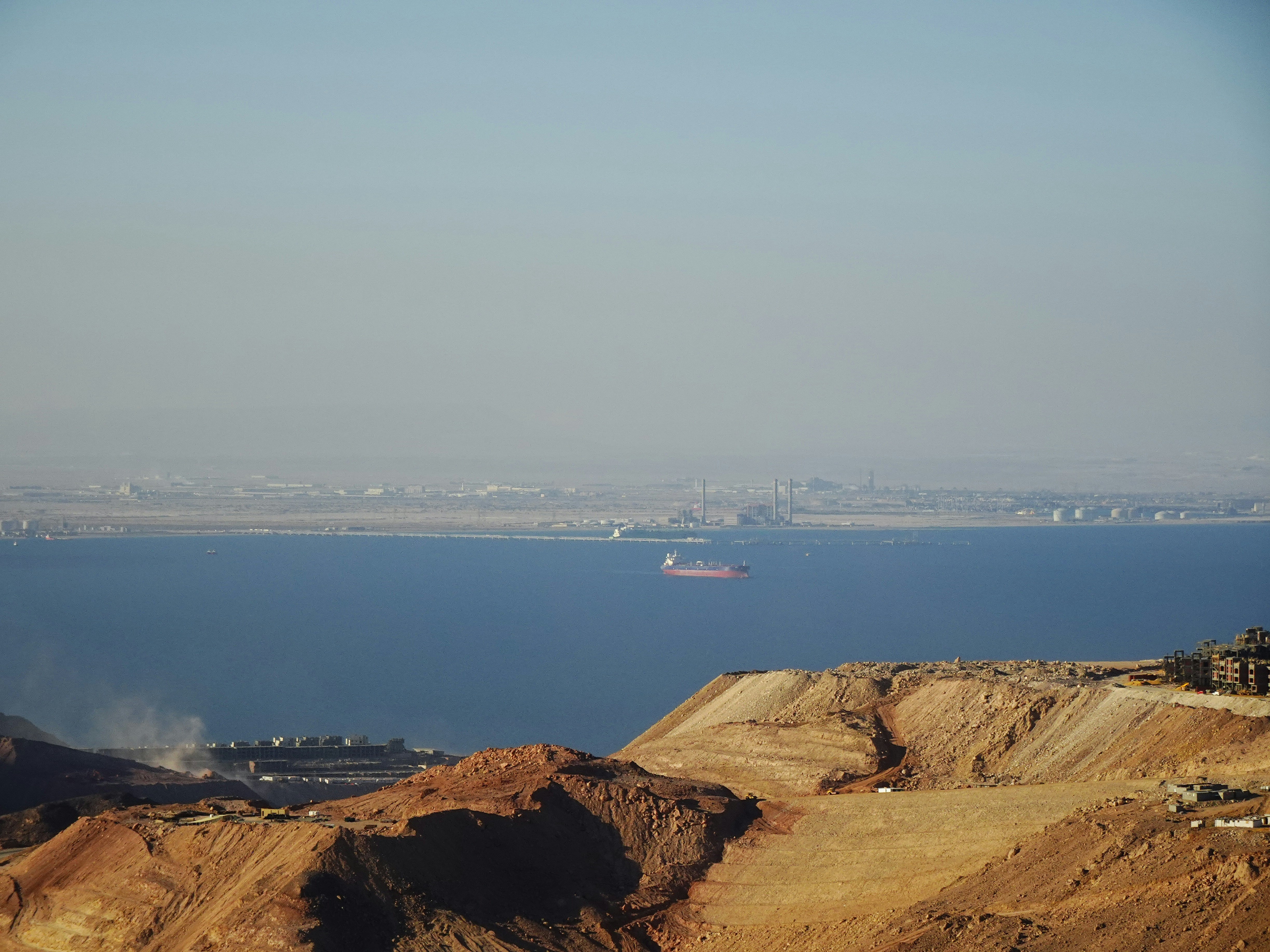
Traffic through the Suez Canal remains significantly reduced more than three months after the most recent Houthi attack, highlighting the slow pace at which ship operators are returning to the Red Sea route.
BIMCO reports that 100 days have passed since the last attack on a commercial vessel, when the Minervagracht was struck on September 29. Although the Houthis announced an end to attacks 43 days later, vessel movements through the canal have not shown a meaningful recovery.
“In the first week of 2026, Suez Canal transits were still around 60% below the same week in 2023, before widespread diversions around the Cape of Good Hope began,” said Niels Rasmussen, BIMCO’s chief shipping analyst.
Since November 2023, nearly 100 ships have been attacked or hijacked. While a number of incidents occurred toward the end of 2023, the sharp decline in Suez Canal traffic only became evident from January 2024. From that point onward, quarterly deadweight tonnage passing through the canal has remained between 51% and 64% lower than levels seen in 2023.
This trend continued throughout 2025. Canal transits measured in deadweight tonnage were consistently 57% to 64% below pre-crisis figures, with container shipping experiencing the most severe impact. During the fourth quarter of 2025, container vessel transits fell 86% compared with 2023 levels, while bulk carriers, crude tankers, and product tankers recorded declines of 55%, 32%, and 19%, respectively.
Product tankers have been the notable outlier. Elevated freight rate premiums have drawn more of these vessels back to the canal. In the final quarter of 2025, product tanker transits were down just 19% from 2023 levels, an improvement from the 45% decline seen in 2024.
Container shipping, however, has largely avoided the route. CMA CGM has announced plans to return its MEDEX and INDAMEX services to Suez Canal transits starting in January 2026. Maersk also made a cautious return in December, when the Maersk Sebarok became the company’s first vessel to transit the canal since early 2024. The carrier noted that any further sailings would depend on security conditions continuing to meet its requirements.
A reduction in war risk insurance costs may encourage more operators to return. S\&P Global reported in early December that Red Sea war risk premiums had fallen to around 0.2% of hull value, the lowest level since November 2023.
“A normalisation of ship transits now appears more likely than at any point over the past two years, but the pace remains uncertain,” Rasmussen said. He added that while a full return to Suez would lower operating costs for shipowners, it would also reduce tonnage demand. According to BIMCO, a complete normalization could cut containership demand by roughly 10%, with other shipping segments seeing reductions of around 2% to 3%.