UK Secures Record Offshore Wind Capacity in AR7 Auction
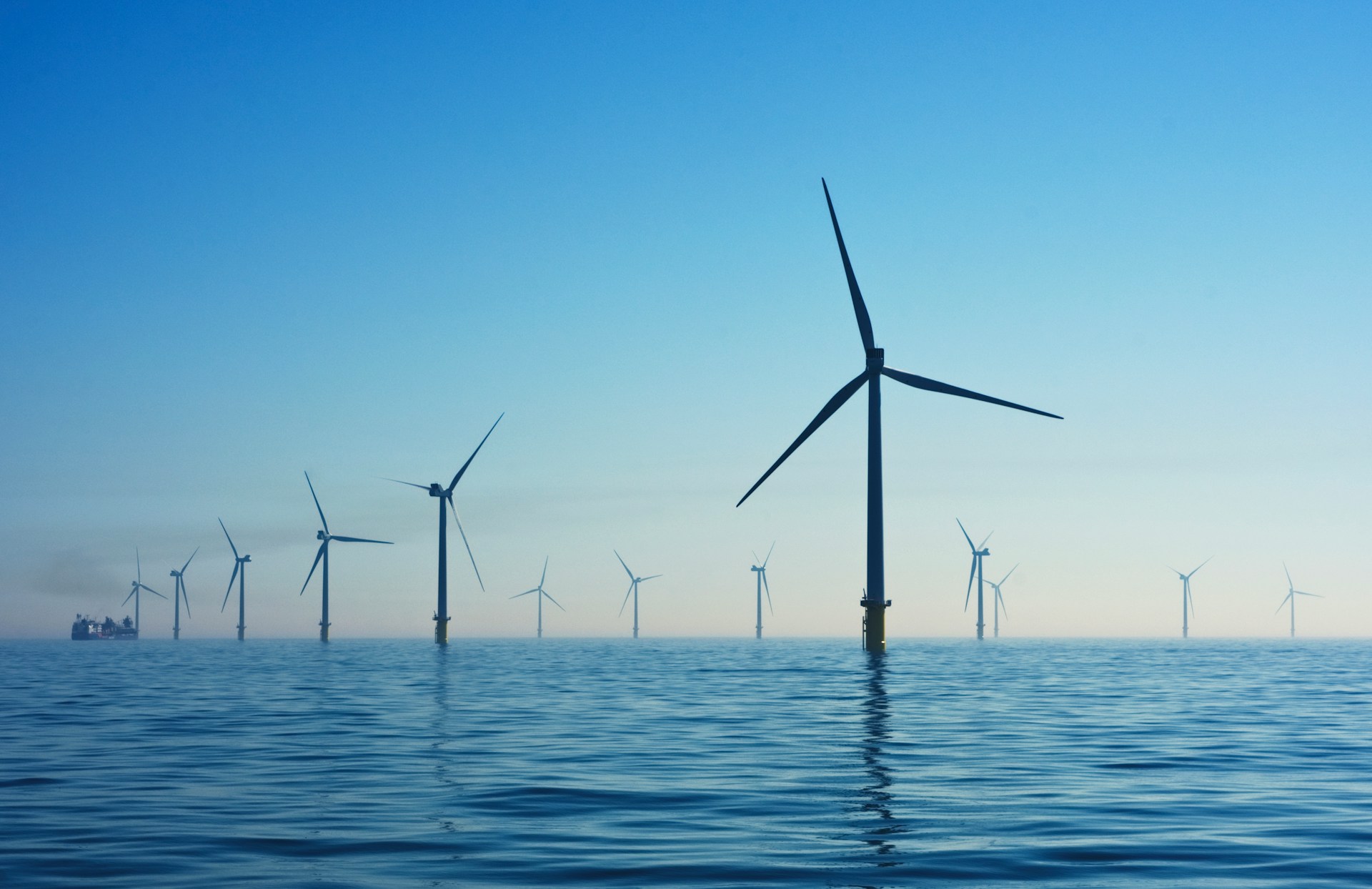
The UK has delivered an unprecedented boost to its offshore wind industry following the outcome of its latest renewable energy auction.
The result represents the largest single procurement of offshore wind capacity ever achieved in the UK and Europe, signaling strong confidence in the country’s offshore wind sector.
The two previous auction rounds produced mixed outcomes. Auction Round 5 failed to secure any offshore wind projects, while AR6 succeeded in drawing developers back into the process.
The latest round, known as AR7, has secured a record 8.4GW of offshore wind capacity. This volume of clean power is expected to generate enough electricity to supply the equivalent of 12 million homes. The outcome places the UK firmly on course to meet its 2030 clean power goals, which include deploying at least 43GW of offshore wind.
According to the UK government, offshore wind is now cheaper to develop and operate than new gas generation. Newly published figures using the levelized cost of energy metric show that building and running a new gas fired power station costs £147 ($197) per MWh.
In comparison, fixed offshore wind projects awarded contracts in the AR7 auction averaged £90.91 ($122) per MWh, or £65.25 ($87.7) per MWh when measured using 2012 benchmark prices. This makes offshore wind around 40 percent cheaper than new gas generation.
The government said the auction is expected to unlock around £22bn ($29.5bn) in private investment and support approximately 7,000 jobs across the UK.
Winning projects span all parts of the country. Fixed offshore wind developments include Dogger Bank South off the Yorkshire coast and NorfolkVanguard off East Anglia, both among the largest offshore wind farms globally.
SSE also secured a contract for its Berwick Bank project in the North Sea. This marks the first new Scottish offshore wind project since 2022 and is set to become the largest planned offshore wind farm in the world. Awel Y Môr made history as the first Welsh offshore wind project to win a contract in more than ten years.
Floating offshore wind projects were also successful in the round. These include the Erebus project in the Celtic Sea, developed by Blue Gem Wind, a joint venture between Simply Blue Group and TotalEnergies, as well as CIP’s Pentland project in Scotland, supported by investment from Great British Energy and the National Wealth Fund.
RWE emerged as the largest winner in AR7, securing contracts totaling 6.9GW of offshore wind capacity. These awards cover projects including NorfolkVanguardEast, Norfolk Vanguard West, two Dogger Bank South developments, and Awel y Môr.
By expanding domestic clean energy generation, the government aims to reduce the UK’s reliance on volatile global fossil fuel markets. These markets have played a role in half of all recessions since the 1970s, including in 2025.
“This is a historic win for those who want Britain to stand on our own two feet, controlling our own energy rather than depending on markets controlled by petrostates and dictators. Clean, homegrown power is the right choice for this country to bring down bills for good, and this auction will create thousands of jobs throughout Britain,” said Ed Miliband, UK Energy Secretary.
The original budget allocated for fixed bottom offshore wind was £900m but has since been increased to £1.79bn. The government said the adjustment followed a detailed review of submitted bids, allowing additional capacity to be secured while still delivering value for households.
In May 2025, Offshore Energies UK warned that the country would miss its offshore wind targets unless at least 8.4GW of new capacity was awarded in the AR7 auction. The government ultimately achieved that exact figure in this round.