Car Carrier Ordering Slows as Overcapacity Risks Rise
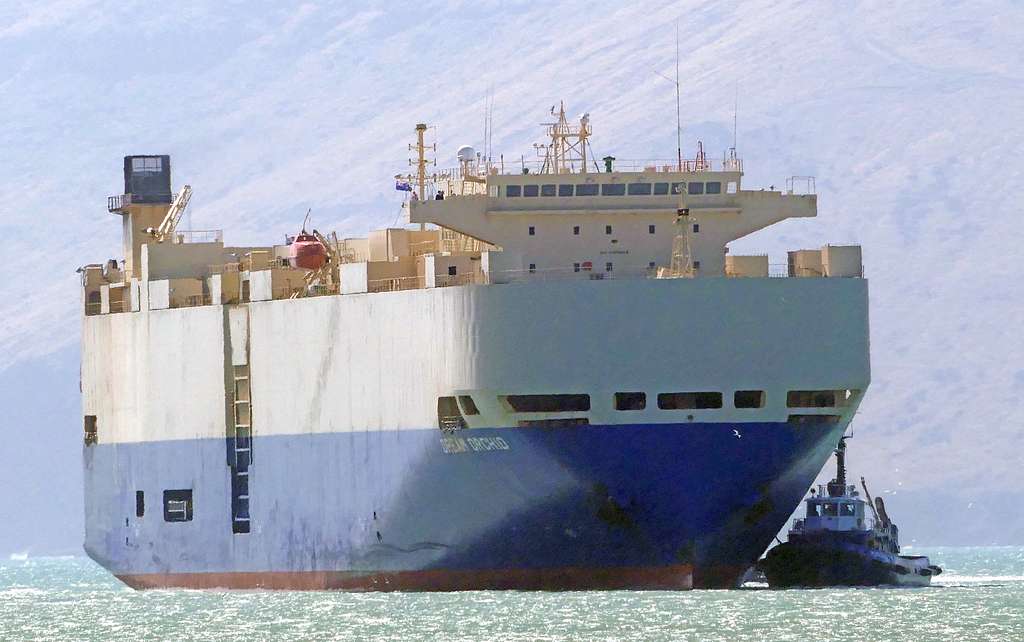
The previously booming newbuild market for car carriers is beginning to lose momentum, with concerns about excess capacity growing across the pure car and truck carrier (PCTC) sector, according to AXSRoRo’s latest monthly newsletter.
After four consecutive years of heavy ordering, contracting activity fell sharply in 2025 to its lowest level in several years. This slowdown comes even as vessel deliveries reached a record high, with 75 ships handed over during the year. AXSRoRo noted that 133 PCTCs, representing close to 1 million ceu of capacity, have been delivered over the past three years, while a further 67 vessels are still due this year, a figure that remains near historic peaks.
Fleet growth is increasingly at odds with underlying trade developments
“The PCTC market has entered a phase in which fleet growth is increasingly at odds with underlying trade developments,” AXSRoRo said, cautioning that vessel supply is now rising much faster than global vehicle trade volumes.
The consultancy pointed out that although Chinese vehicle exports continue to record strong, often double-digit growth, much of this expansion is redistributing existing trade rather than expanding it. “Rising Chinese exports are substituting for shipments from traditional producers,” the report stated.
Chinese shipyards remain central to the current wave of fleet expansion, responsible for almost 80 percent of the 276 PCTCs delivered or scheduled for delivery between 2023 and 2028. With the orderbook still accounting for more than 20 percent of total global PCTC capacity, pressure is mounting to bring supply back into balance.
AXSRoRo also warned that low scrapping rates are adding to the strain. “Unless demolition picks up more decisively, utilisation and earnings are likely to come under pressure,” the report said.
After a prolonged period of aggressive investment by both established operators and new entrants, AXSRoRo suggested the next chapter for the car carrier sector “may be less about further expansion and more about adjustment.”