Fourteen Years Since Costa Concordia Maritime Tragedy
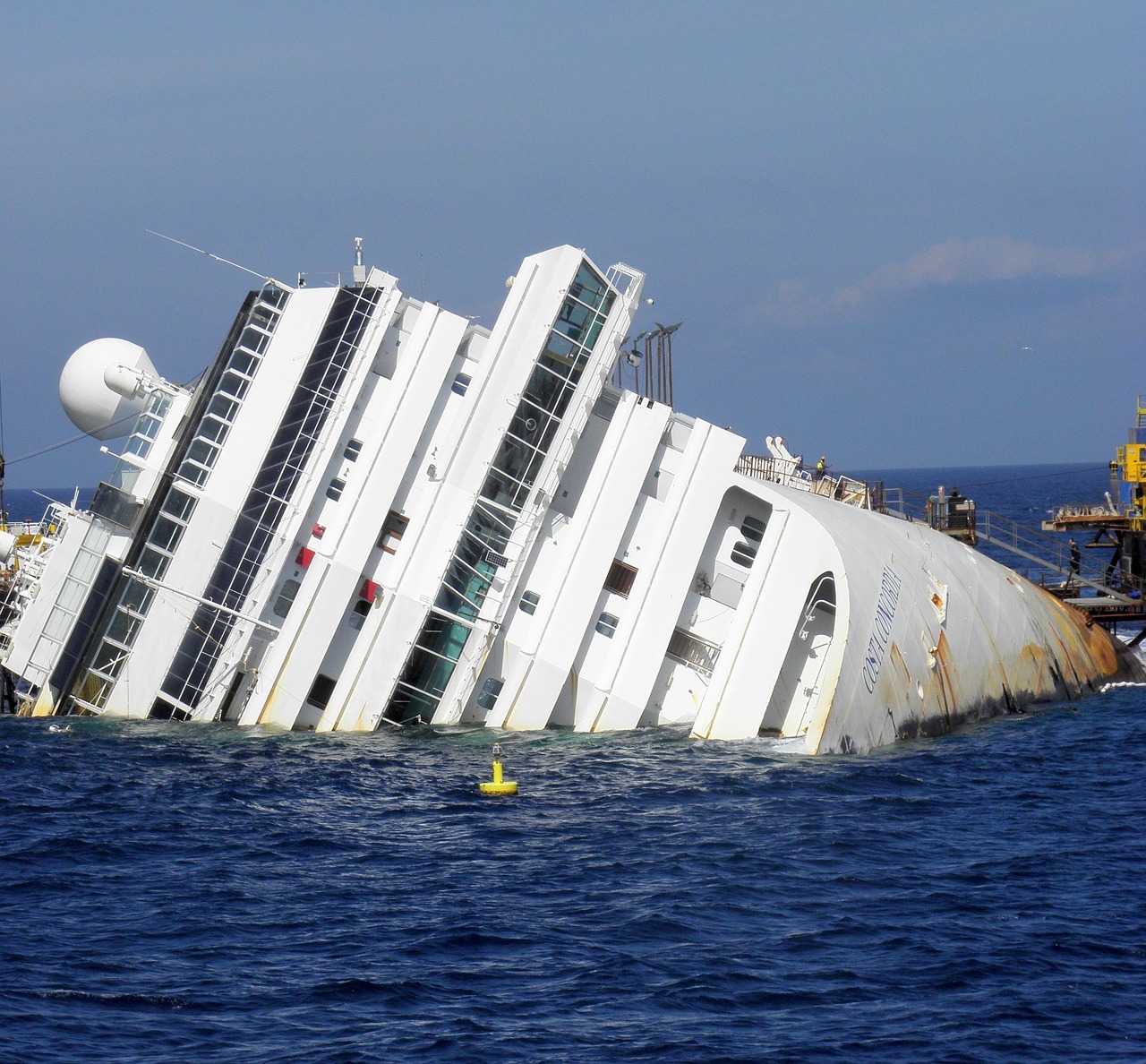
Today marks 14 years since the cruise ship Costa Concordia ran aground and partially capsized off the coast of Giglio Island, resulting in the loss of 32 lives in one of the most devastating incidents in modern cruise history.
Late on the evening of January 13, 2012, the 114,500-gross-ton vessel struck the Scole Rocks. The collision caused a large rupture in the hull, flooding the engine rooms, cutting electrical power, and leaving the ship without propulsion. Within hours, the vessel developed a severe list and partially capsized close to shore, transforming what should have been a routine Mediterranean voyage into Italy’s worst peacetime maritime disaster.
Fourteen years on, January 13, 2026, the people of Giglio Island will once again pause to remember those who lost their lives. Commemorations are being held in a subdued manner, in line with the long-standing approach adopted by local authorities to honor the victims with dignity and restraint. A memorial Mass will take place at the Church of Saints Lorenzo and Mamiliano in Giglio Porto, followed by a torchlight procession and a moment of silence at the Red Pier, where a memorial plaque lists the names of the victims.
Subsequent investigations and court proceedings determined that the tragedy resulted from a combination of poor decision-making, inadequate preparation, and failures in emergency management. The evacuation process, which stretched on for more than six hours amid darkness and confusion, revealed serious shortcomings in onboard emergency response procedures.
Former captain Francesco Schettino was later found guilty on multiple charges, including manslaughter, causing a shipwreck, and abandoning ship. He was sentenced to 16 years in prison, a term he is currently serving in Rome.
The Costa Concordia itself no longer exists. After one of the most complex maritime salvage operations ever undertaken, the wreck was stabilized, refloated, and towed to Genoa, where it was dismantled between 2014 and 2017 at a cost exceeding €1.5 billion.
Although many years have passed, the events of that night continue to resonate with survivors, the families of the victims, and the residents of Giglio Island, who provided shelter to thousands of evacuees in the immediate aftermath. The memorial plaque at Molo Rosso and the waters off Punta Gabbianara remain lasting reminders of the human toll behind the tragedy.