Royal Caribbean Extends Labadee Suspension Through 2026
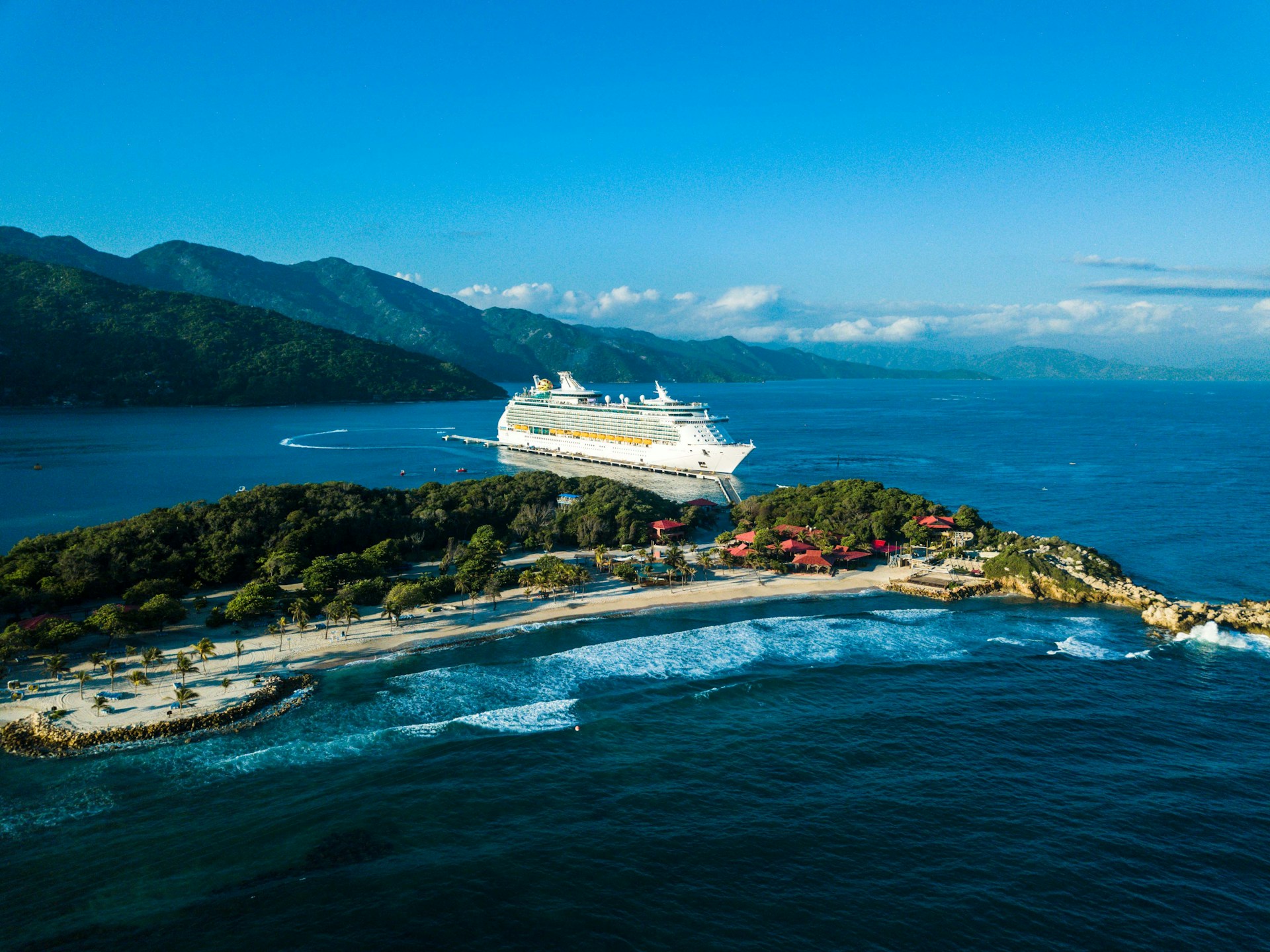
Royal Caribbean has prolonged its suspension of visits to Labadee, its private destination in Haiti, cancelling all scheduled calls through December 2026 as security conditions in the country continue to deteriorate.
A spokesperson for the cruise line said the decision was made “out of an abundance of caution,” pointing to ongoing concerns linked to the situation in and around Port-au-Prince. Prior to this update, Labadee had already been removed from itineraries through April 2026.
With the latest extension, Royal Caribbean vessels will have gone more than a year without a planned stop at the destination, with the last scheduled visit taking place in April 2025 following earlier disruptions in 2024.
Labadee has long been marketed as a private, resort-style beach stop operated by Royal Caribbean, designed to offer a controlled shore experience without guests entering the wider country. Despite this, the cruise line has repeatedly cited safety and operational risks when removing the destination from itineraries. In communications to guests, Royal Caribbean has said it is “monitoring the evolving situation” and adjusting sailings as needed.
Travel advisors have received revised port schedules for impacted cruises, with many itineraries replacing Labadee with alternate destinations or additional sea days.
In one itinerary update sent to guests booked on Star of the Seas for a May 3, 2026 sailing, Royal Caribbean confirmed that Labadee would be replaced by a day at sea. The same notice also swapped a planned stop in San Juan, Puerto Rico, for a call in Philipsburg, St. Maarten from 8 a.m. to 5 p.m., while adjusting port times in Charlotte Amalie, St. Thomas to 8 a.m. to 5 p.m.
The message acknowledged that some guests would appreciate the changes while others might be disappointed, reiterating that safety remains the company’s top priority.
The situation in Haiti
Haiti has been under a state of emergency since March 2024, following a surge in gang violence that triggered widespread unrest and severely disrupted daily life, particularly in and around the capital. The US State Department currently lists Haiti at Level 4: Do Not Travel, its highest advisory level, warning against all travel to the country due to risks including armed crime, robbery, carjackings, kidnappings, and sexual assault.
US maritime authorities have also raised concerns about security conditions in Haitian ports and have advised mariners and passengers traveling through the area to exercise caution until the situation improves.
Haiti’s instability has intensified over recent years and escalated further after the 2021 assassination of President Jovenel Moïse, which deepened political uncertainty and created a power vacuum. Armed groups have since expanded their control over much of Port-au-Prince and surrounding regions, worsening a humanitarian crisis marked by displacement, food shortages, and ongoing violence.
International efforts to stabilize the country have struggled, with previous missions criticized for limited resources and effectiveness. While discussions are underway around a new intervention effort in 2026, no clear timeline has emerged that would suggest an imminent improvement in conditions.
For now, Royal Caribbean appears to be taking a cautious approach by reshaping itineraries and removing Labadee well into 2026, signaling that the cruise line does not anticipate a rapid resolution to the situation in Haiti.