Costa Expands Electric Truck Use in Port Logistics
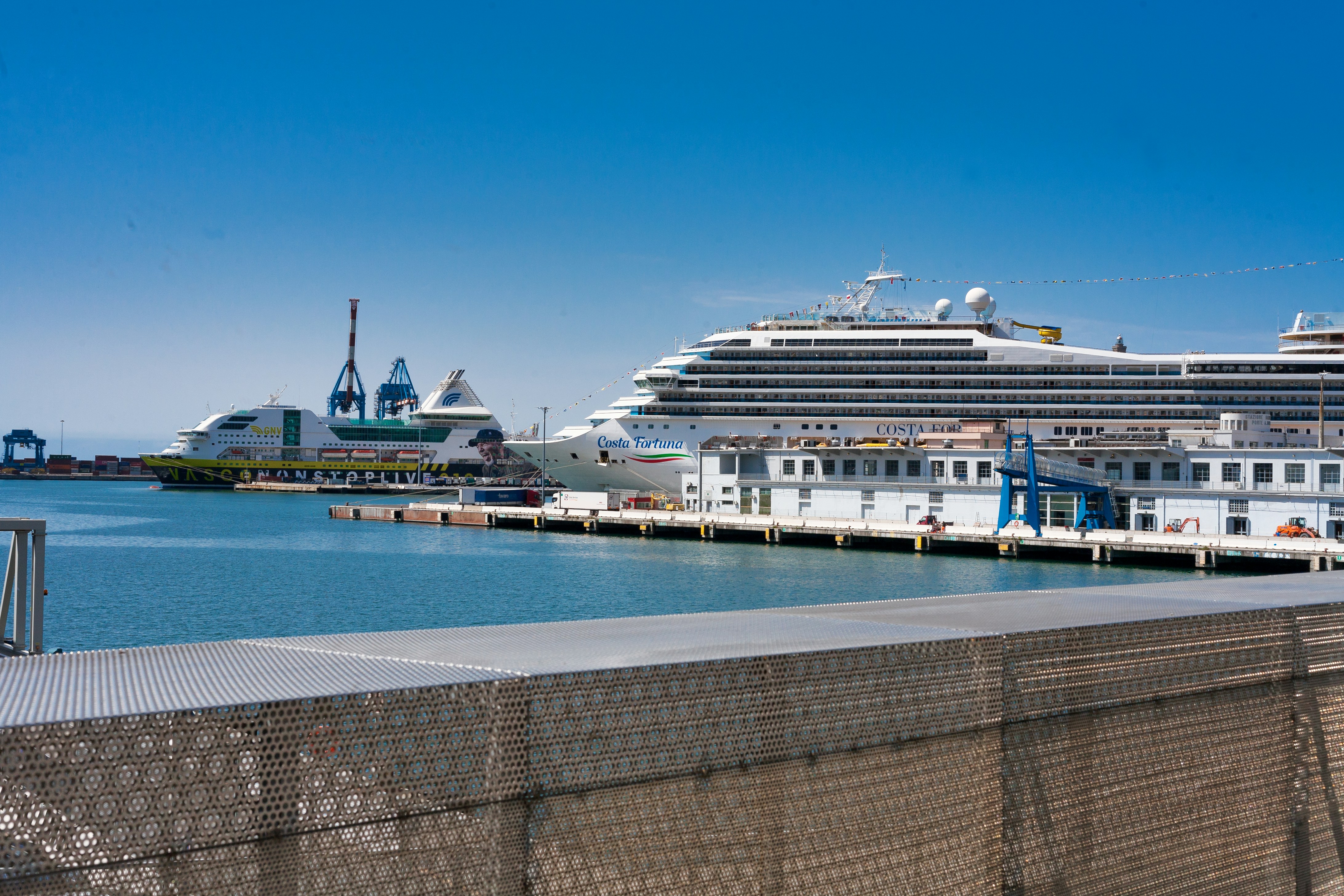
Costa Cruises has strengthened its sustainability efforts by increasing the use of electric trucks within its port logistics network. Working with LC3 Trasporti, the company has launched a pilot program using electric heavy-duty vehicles at the ports of Genoa and Savona to support its cruise ships.
The trial introduced battery electric vehicles (BEVs) designed to carry more than 40 tons of cargo. These trucks delivered supplies directly to Costa’s vessels at the dock, signaling a move toward cleaner, zero-emission logistics in day-to-day maritime operations.
Following the positive outcome of the initial phase, Costa Cruises and LC3 Trasporti intend to extend their partnership through 2026. Their plan focuses on expanding the number of BEVs in use and integrating them with bio-LNG-powered trucks already operating on medium and long routes across Italy and Europe. This mixed fleet aims to further reduce environmental impact and support European decarbonization goals.
“Our journey toward greenhouse gas neutrality continues under the banner of innovation,” said Marco Diodà, Vice President Procurement & Supply Chain at Costa Crociere. “This applies not only to our fleet but also to all ancillary cruise activities, including ship resupply logistics.”
Since forming their partnership in 2022, Costa Crociere and LC3 Trasporti have achieved notable cuts in CO₂ emissions compared to 2018, driven by the adoption of lower-impact transport methods. Introducing electric trucks is a logical next step in advancing their long-term sustainability strategy.
By incorporating BEVs into port operations, Costa not only eliminates emissions on electrified routes but also strengthens its position as a frontrunner in environmentally conscious cruise logistics.